

Bloomingdale, GA Landscaping
Landscaping Services in Bloomingdale, GA
Coastal Georgia's long, warm growing season means lawns and landscapes need consistent care to stay healthy and sharp, and we handle all the tasks that keep your outdoor space healthy and appealing - from lawn installation and routine mowing, to yard cleanup, bush trimming, and fresh rock and mulch.
Our Bloomingdale landscaping team, based right here on Adams Road, helps residential and commercial customers alike throughout Bloomingdale, Pooler, Port Wentworth, and the greater Savannah area.
Questions? Please contact us for a FREE quote on your landscaping project and we'll be happy to discuss details!


Our Landscaping Services


Custom Landscaping Services in Bloomingdale
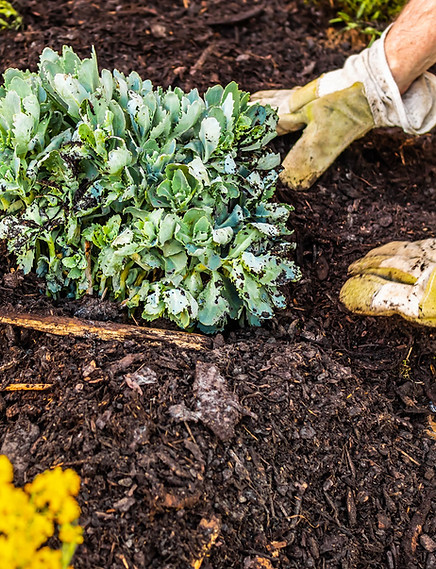
Our Bloomingdale landscaping team provides custom landscaping services that make your residential or commercial property stand out - whether you're in an established Bloomingdale neighborhood or a new build in the fast-growing west Chatham County area!
Our custom landscaping services include patio and outdoor entertainment space designs made for coastal Georgia's long outdoor-living season, walkway/pathway creation, personalized garden layouts, multi-level landscape designs, and more.

Choosing the Right Grass for Your Bloomingdale Lawn
Lawns in Bloomingdale and the greater Savannah area are built on warm-season grasses. These grasses green up in the spring, grow hard through the hot and humid summer, and go dormant or semi-dormant in the cooler months. Choosing the right grass for your yard's sun, shade, and foot traffic makes every other part of lawn care easier. Here are the four grasses we see most often in coastal Georgia:
-
Centipede Grass: A popular low-maintenance lawn in the Savannah area. Centipede grows slowly, needs very little fertilizer, and does well in the sandy, acidic soils found across Georgia's Coastal Plain. It's not the best choice for yards with heavy foot traffic from kids or pets.
-
St. Augustine Grass: A thick, deep green grass with wide blades that thrives in the humidity and mild winters of the Georgia coast. It's the most shade-tolerant warm-season grass, making it a strong fit for yards shaded by live oaks and pines.
-
Zoysia Grass: A dense, carpet-like lawn that crowds out weeds, handles foot traffic well, and takes light shade better than Bermuda. Zoysia is slow to fill in, but once it's established, it needs less mowing than faster-growing grasses.
-
Bermuda Grass: A tough, fast-growing grass that loves full sun and recovers quickly from wear, making it a common choice for active family yards and commercial properties. Bermuda does not perform well in shade.
Not sure what type of grass you have, or which one is right for your property? Our team can take a look and recommend the best fit before your lawn installation.

Your Year-Round Landscaping
Calendar for Coastal Georgia
Bloomingdale sits in USDA Plant Hardiness Zone 9a, and its mild winters and long, hot summers change the timing of nearly everything in your yard. Here's how the landscaping year typically plays out in the Savannah area, and how our team can help each season.
Spring (March - May)
Warm-season lawns wake up from dormancy as the soil warms. Spring is also when live oaksshed last year's leaves and pine trees coat everything in yellow pollen, which makes it prime time for a thorough yard cleanup and a fresh layer of rock or mulch before the summer heat.
Hold off on fertilizing until your lawn has fully greened up and soil temperatures are consistently around 65°F, since feeding warm-season grass too early can stress it. If you have azaleas, have them trimmed shortly after they finish blooming, because trimming later in the year can remove next spring's flower buds.
Summer (June - August)
This is peak growing season. Most lawns need weekly mowing to stay at a healthy height, and shrubs put on fast growth that calls for regular trimming. Late spring through early summer is also an ideal window for new lawn installation, since actively growing warm-season sod roots in quickly.
Keep in mind that Georgia limits landscape watering to between 4 p.m. and 10 a.m., so early-morning watering is your lawn's best friend. Summer also brings afternoon thunderstorms and the start of hurricane season, so keeping shrubs trimmed and beds tidy helps your property handle storm season.

Testimonials
We hired Drake to remove snow at my Dads house. They are spot on always there and clean all the snow in a timely matter very professional! Would highly recommend.
Chris Hietpas
Thank you for the great job you did on our play yard. We are already getting compliments on how it looks! Drake is wonderful to work with, great price, great attitude! We will definitely be using Decker Landscape & Design again!!
Tim Wirth
It was a pleasure working with Decker Landscape & Design. They were very responsive and kept me informed throughout the project. I highly recommend their services.
Mitch Van Gompel
This is peak growing season. Most lawns need weekly mowing to stay at a healthy height, and shrubs put on fast growth that calls for regular trimming. Late spring through early summer is also an ideal window for new lawn installation, since actively growing warm-season sod roots in quickly.
Keep in mind that Georgia limits landscape watering to between 4 p.m. and 10 a.m., so early-morning watering is your lawn's best friend. Summer also brings afternoon thunderstorms and the start of hurricane season, so keeping shrubs trimmed and beds tidy helps your property handle storm season.
Summer (June - August)
Warm-season lawns wake up from dormancy as the soil warms. Spring is also when live oaks shed last year's leaves and pine trees coat everything in yellow pollen, which makes it prime
time for a thorough yard cleanup and a fresh layer of rock or mulch before the summer heat.
Hold off on fertilizing until your lawn has fully greened up and soil temperatures are consistently around 65°F, since feeding warm-season grass too early can stress it. If you have azaleas, have
them trimmed shortly after they finish blooming, because trimming later in the year can remove next spring's flower buds.
Warm-season lawns wake up from dormancy as the soil warms. Spring is also when live oaksshed last year's leaves and pine trees coat everything in yellow pollen, which makes it prime time for a thorough yard cleanup and a fresh layer of rock or mulch before the summer heat.
Hold off on fertilizing until your lawn has fully greened up and soil temperatures are consistently around 65°F, since feeding warm-season grass too early can stress it. If you have azaleas, have them trimmed shortly after they finish blooming, because trimming later in the year can remove next spring's flower buds.
Summer (June - August)
Fall (September - November)
This is peak growing season. Most lawns need weekly mowing to stay at a healthy height, and shrubs put on fast growth that calls for regular trimming. Late spring through early summer is also an ideal window for new lawn installation, since actively growing warm-season sod roots in quickly.
Keep in mind that Georgia limits landscape watering to between 4 p.m. and 10 a.m., so early-morning watering is your lawn's best friend. Summer also brings afternoon thunderstorms and the start of hurricane season, so keeping shrubs trimmed and beds tidy helps your property handle storm sea
Mowing slows down as temperatures cool, but hurricane season runs through the end of November, so storm debris and leaf cleanup stay on the to-do list.
Fall is one of the best times to plant shrubs and trees in coastal Georgia, because cooler weather lets roots get established before next summer's heat. Topping off your mulch beds also helps protect plant roots heading into winter.
Winter (December - February)
Spring (March - May)
Warm-season lawns go dormant or semi-dormant and lose much of their green color after the first frosts, which is completely normal.
With the lawn resting, winter is a great time to tackle hardscape projects like patios and walkways, plan out new garden layouts, and get a head start on spring. Bloomingdale's mild winter weather means most outdoor projects can keep moving all season long.

Bloomingdale Landscaping FAQs
It depends on your yard. Centipede is a great low-maintenance option for sunny yards with sandy soil, St. Augustine is the best choice for shady yards, and zoysia or Bermuda work well for sunny yards that see a lot of foot traffic.
Our team can recommend the right grass for your property during a free quote.Yes. Under Georgia's Water Stewardship Act, outdoor landscape watering from public water systems is allowed only between 4 p.m. and 10 a.m., year-round.
Some watering is exempt, including drip irrigation, soaker hoses, hand-watering with a shut-off nozzle, water from private wells, and newly installed landscapes during their first 30 days. Additional restrictions can apply during droughts, so check with your water provider for current rules.
Warm-season sod establishes best while the grass is actively growing, so late spring through early summer is typically the ideal window. Installing during this time gives new roots plenty of time to take hold before the cooler months.
During the peak growing season, most Bloomingdale lawns need weekly mowing. Slower-growing grasses like centipede and zoysia, or lawns in the spring and fall shoulder seasons, may do well with bi-weekly mowing. As a general rule, you should never cut off more than one-third of the grass blade at one time.
Heat and humidity cause organic mulch to break down faster in coastal Georgia, so most landscape beds benefit from a fresh layer once a year, typically in the spring. A 2 to 3 inch layer is usually enough, and mulch should be kept pulled back from plant stems and your home's foundation. Decorative rock doesn't break down, but it benefits from occasional cleanup and weed control.
Our Bloomingdale team serves residential and commercial properties throughout Bloomingdale, Pooler, Port Wentworth, and the greater Savannah area. Not sure if we service your neighborhood? Contact us and we'll let you know!
